Philosophy
Kontrans Records emerged from the Kontrans non-profit foundation, established in the Netherlands in 1986 and dedicated to experimental music and interdisciplinary performance. The label itself began releasing recordings in 1992, built around the work of Dutch vocal artist and composer Jaap Blonk — one of the most singular voices in European avant-garde performance. Kontrans exists to document a practice that exists at the absolute edge of what music labels typically handle: phonetic poetry, extended vocal technique, and electronic sound art.
The label carries a DIY ethos rooted in the European experimental tradition, with modest edition sizes and a complete absence of commercial compromise. Like its peers in the Catalytic Sound cooperative — Aerophonic Records, Relay Recordings, Audiographic Records — Kontrans treats the act of releasing a recording as an artistic statement, not a market transaction.
Aesthetic
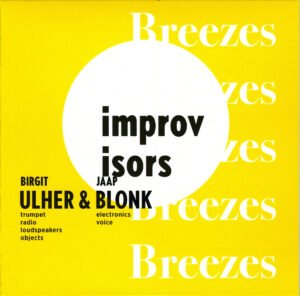
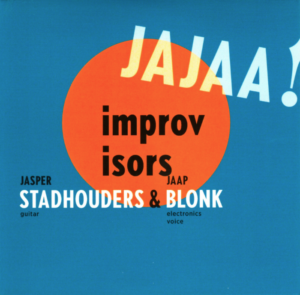
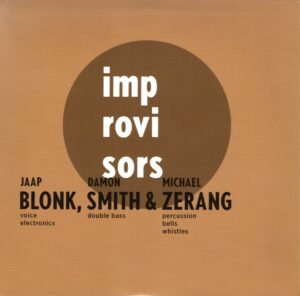
Kontrans releases have the visual character of the work they contain: spare, unornamented, and deliberately indifferent to commercial legibility. Covers tend toward abstract design, typographic experimentation, and imagery that reflects the conceptual nature of the music rather than its performers. There are no glamour shots, no marketing language, no design concessions to accessibility.
This aesthetic honesty is itself a statement — these are documents, not products. Kontrans releases look like what they are: objects produced by an artist who considers every element of a release an extension of the work.
Emblematic Catalog
The catalog’s center of gravity is Jaap Blonk‘s interpretations of historical avant-garde works: his celebrated performance of Kurt Schwitters’ Ursonate remains a definitive document of phonetic poetry in action. Beyond the historical canon, Kontrans publishes Blonk’s original compositions, his increasingly sophisticated work with computer-generated electronics and synthesizers, and collaborations with improvisers including Ab Baars and other figures from the Dutch experimental scene.
Nearly 30 titles spanning three decades make Kontrans the primary archive of Blonk’s practice — a body of work with no real equivalent in the independent music world. Each release extends the investigation: what can the voice do when freed from the obligation to carry melody or meaning?